Customer
Asker Municipality – water and energy metering across residential, commercial and municipal sites.

Norway · Municipality & utilities
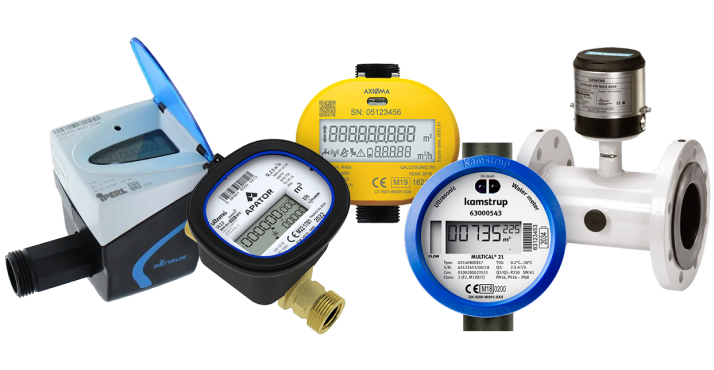
Asker Municipality runs a hybrid LoRaWAN and wM-Bus network of more than 20,000 water and energy meters – Kamstrup, Axioma and Apator side by side – feeding a single billing pipeline through Divako. Three vendors became one platform, one console, one support contract.
At a glance
The widest range of LoRaWAN and wM-Bus technology in a single Nordic project today.
Asker Municipality – water and energy metering across residential, commercial and municipal sites.
LoRaWAN for city-wide coverage and wM-Bus concentrators in dense residential blocks – mixed battery and solar gateways.
Kamstrup, Axioma and Apator Ultrimis – water, heat and energy – provisioned and parsed against Divako's vendor-neutral device library.
Native Komtek billing connector; YR weather, AWS S3 and Azure data-lake exports; REST + MQTT APIs for municipal teams.
The challenge
Asker had the same problem most ambitious utilities run into when they scale: one protocol covers the open city well but struggles indoors; another protocol fits dense residential blocks but can't carry sensors miles from a gateway. The compromise - historically – was three separate vendors, three consoles, three contracts, and a billing team stitching it back together in spreadsheets.
The brief to Divako was direct: support every meter the municipality already had, every meter the next procurement might bring in, and present them all as one operational surface to the people doing the work.
What we built
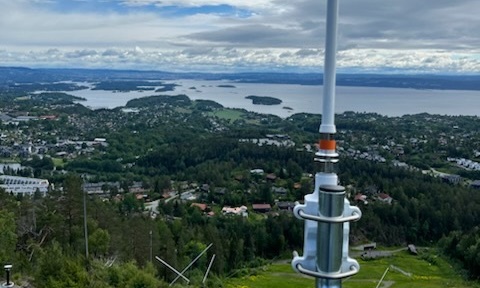
Divako runs the full chain from the meter in the ground to the line in Asker's billing system. LoRaWAN gateways – battery and solar where mains power isn't an option – cover the open city, while wM-Bus concentrators handle dense residential blocks. Every payload is parsed against a per-meter device profile, range- and drift-checked, and emitted as one harmonised measurement regardless of the meter underneath.
From there, Komtek billing exports run automatically. The municipality's own teams pull data via REST and MQTT for their internal dashboards. Network operations get one live coverage map across both protocols.
Outcomes
Three separate vendor consoles consolidated into a single operational surface. Same alerts, same RBAC, same SLA across both networks.
Hourly meter readings land in Komtek without manual touch. The billing team works on exceptions, not on copy-paste.
When Apator Ultrimis came onto the bill of materials in 2024, the device library absorbed it – no rip-and-replace, no parallel ingest.
Network gaps surface as alerts on the same dashboard – no waiting for a complaint to find out a gateway has drifted offline.
"Over 20,000 meters across LoRaWAN and wM-Bus, all on one platform – unique in a Nordic context. The architecture absorbs whatever protocol the next generation of meters arrives on."
More case studies
water meters · wM-Bus + NB-IoT
From manual drive-by collection to continuous remote reading across central Oslo – new and legacy meters on one pipeline.
precision piston meters · LoRaWAN
An early LoRaWAN water-metering rollout that's still running effectively years on – default network for new installs.
housing units · sub-metered & billed
Per-apartment cost distribution for water and heat. Residents see their use; the board sees the right invoice land.
Your rollout
Give us the device count, the geography and the billing system. We'll come back with a proposal, a rough timeline and a rough number.
Technologies on this project