20,000+
meters · LoRaWAN + wM-Bus hybrid
Three vendors replaced by one platform. Kamstrup, Axioma and Apator meters on the same console, with native Komtek billing – the widest range of LoRaWAN + wM-Bus technology in a single Nordic project today.

Technology
Wireless M-Bus is the radio built into most European water, heat and gas meters: short range, a battery that lasts the meter's lifetime, and telegrams any receiver can pick up. Divako takes those telegrams from fixed gateways, drive-by readers or a LoRaWAN bridge, decodes them with your keys and treats them like every other reading on the platform.
Wireless M-Bus is the short-range radio built into most water, heat, gas and sub-metering meters sold in Europe, standardised in EN 13757-4 and sitting alongside the wired M-Bus that runs on two-wire cabling inside buildings. The meter transmits on its own schedule, usually one short telegram every few seconds to few minutes, and does not wait for a request. In the common T and C modes it sends at 868 MHz; the C mode is the more efficient of the two and what most new meters ship with. On top of the radio, the Open Metering System (OMS) specification defines how the telegram is structured and encrypted, which is why a Kamstrup receiver can read an Apator meter and a Lobaro gateway can read both.
The trade-off is range. A wM-Bus meter reaches tens of metres inside a building and a few hundred outdoors, and spends almost nothing on radio to do so; that is where the ten- to sixteen-year battery comes from. The distance is bridged by whatever collects the telegrams. Inside a building that is a gateway on the wall. Across a town it is a fixed network of collectors, a car with a receiver driving the streets, or a bridge that repacks the telegram onto LoRaWAN or a mobile network. Divako reads from all of them, which is why the meter choice and the collection choice can be made separately.
meters · LoRaWAN + wM-Bus hybrid
Three vendors replaced by one platform. Kamstrup, Axioma and Apator meters on the same console, with native Komtek billing – the widest range of LoRaWAN + wM-Bus technology in a single Nordic project today.
water + electricity · one in-building wM-Bus network
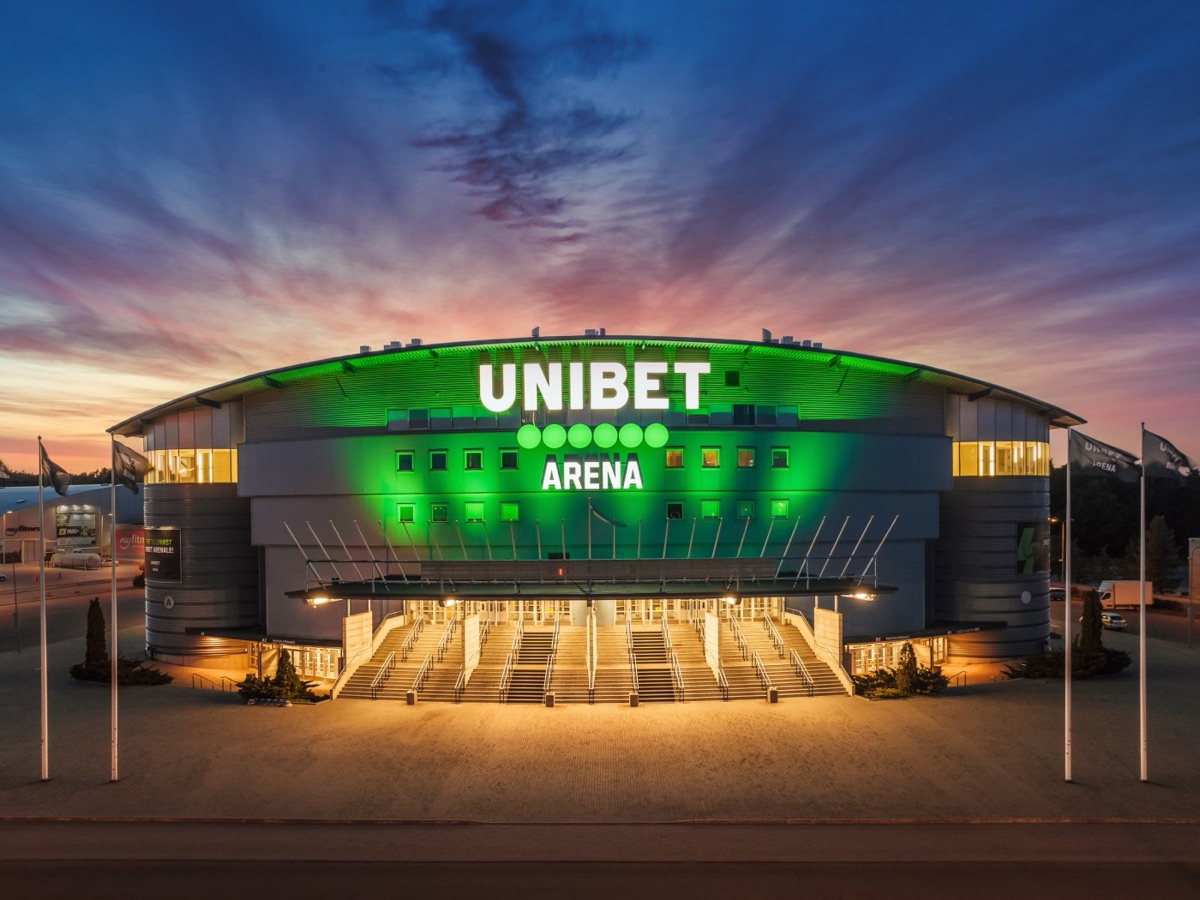
Estonia's largest arena reads 20+ Apator Ultrimis NEO water meters and OMS electricity meters over a single wM-Bus network, collected by two NB-IoT Lobaro gateways. Potential leaks surfaced within two weeks – and per-event consumption is the goal.
water meters · wM-Bus + NB-IoT + Sensus RF
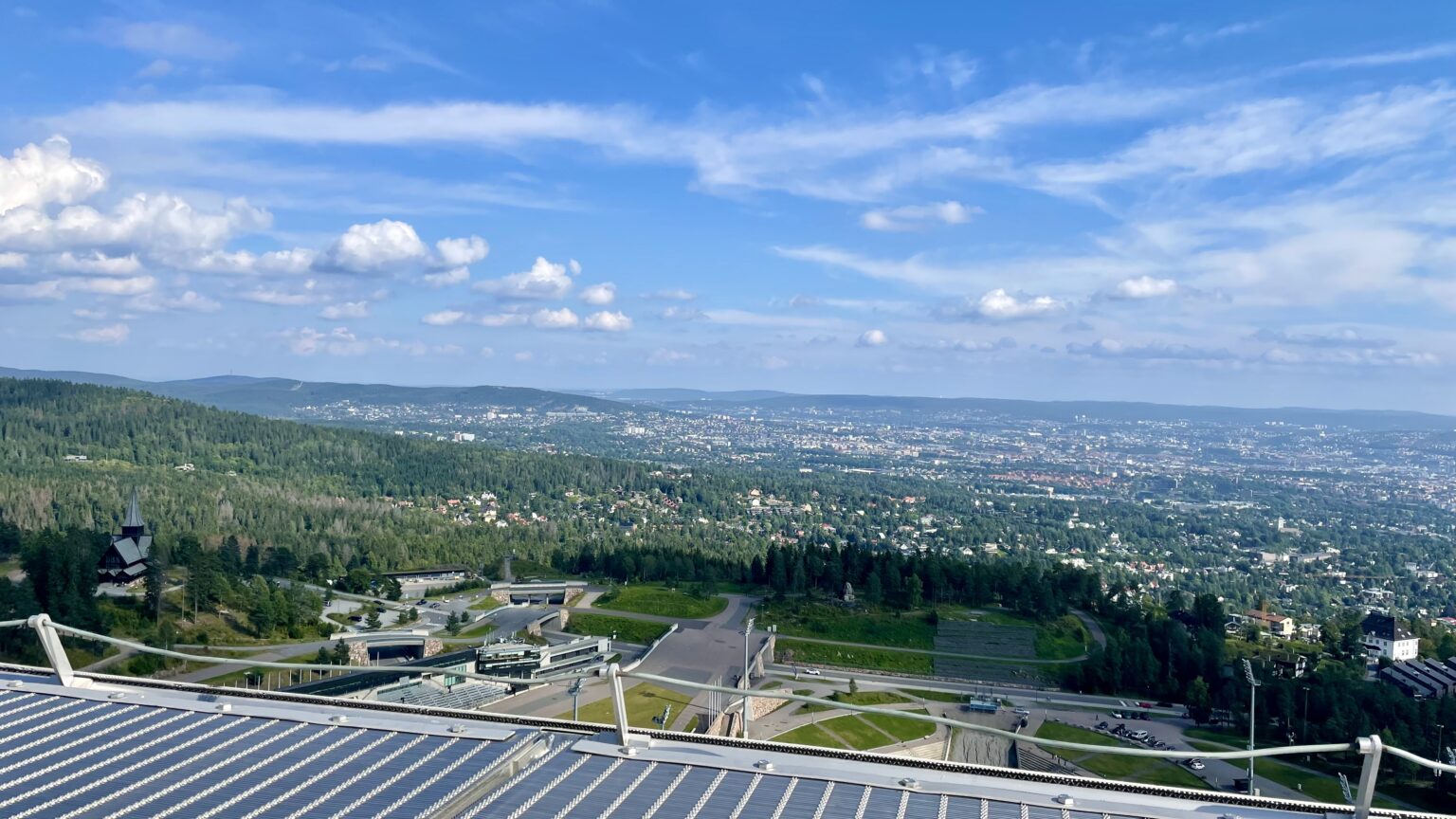
From manual drive-by collection to continuous remote reading across central Oslo. New Apator Ultrimis and legacy Sensus iPerl meters on one pipeline. The billing team works from daily data, not quarterly spreadsheets.
Questions
Wireless M-Bus is the radio version of the M-Bus meter protocol, standardised in EN 13757-4. In Europe it runs at 868 MHz, and most meters send one short, encrypted telegram every few seconds to few minutes without waiting for anyone to ask. The Open Metering System (OMS) specification defines how those telegrams are structured and encrypted, so a receiver from one vendor can read a meter from another.
Tens of metres inside a building, a few hundred outdoors with a clear line of sight. That is by design: the meter spends almost nothing on radio, which is why its battery lasts ten to sixteen years. The range is covered by the collector, whether that is a gateway on the wall, a car driving past or a bridge onto a wide-area network.
Yes. Almost every wM-Bus meter encrypts its telegrams with a per-meter AES-128 key, delivered by the manufacturer or supplier with the meter. Divako stores the key against the meter and decrypts on arrival. Without the key you still see that the meter is alive, but not what it says – so key handover belongs in the procurement contract, not in a support ticket after installation.
Yes, and most municipal rollouts do. Asker runs more than 20,000 meters across LoRaWAN and wM-Bus; Oslo VAV reads over 5,000 water meters across wM-Bus, NB-IoT and Sensus RF. Whichever radio a meter uses, it lands in the same account and leaves through the same billing export.
Your meters
Tell us which meters you have, who holds the keys and how they are collected today. We'll sketch the collector layout and the path to billing in about 30 minutes.