What is sub-metering?
Sub-metering is measuring consumption per unit behind a building’s main meter. The utility bills the building from the main meter at the inlet. Apartment, tenant or area meters behind it show how that bill divides between the units that actually used the water, heat or electricity. Housing co-ops use it to bill residents fairly, and commercial buildings use it to recharge tenants or track consumption per event, floor or area.
The value comes from reading every unit automatically, at the same moment as the main meter. With manual readings, apartment figures arrive on different days, or not at all, and the difference between what the building bought and what the units reported lands on the shared costs. In an illustrative 40-apartment building, a 10% gap is roughly 900 € a year for water nobody in particular used. Read at the same timestamp, most of that gap disappears, and what remains points at a leak or a faulty meter.
How it works on Divako
- Meter. Each unit has a water meter, a heat meter or heat cost allocators, and electricity meters where needed. Every device is registered to its apartment or tenant with a profile from the device library, so its readings are understood from the first message.
- Network. The meters transmit over LoRaWAN or wM-Bus. One or two gateways in the building usually cover every stairwell and the basement. No new cabling is needed. Sameie Leangen Løkka runs 143 apartments on a single LoRaWAN gateway.
- Platform. Readings are decoded, checked for gaps and implausible values, and aligned to a common timestamp with the main meter. The balance between the building’s intake and the sum of the units is visible per period.
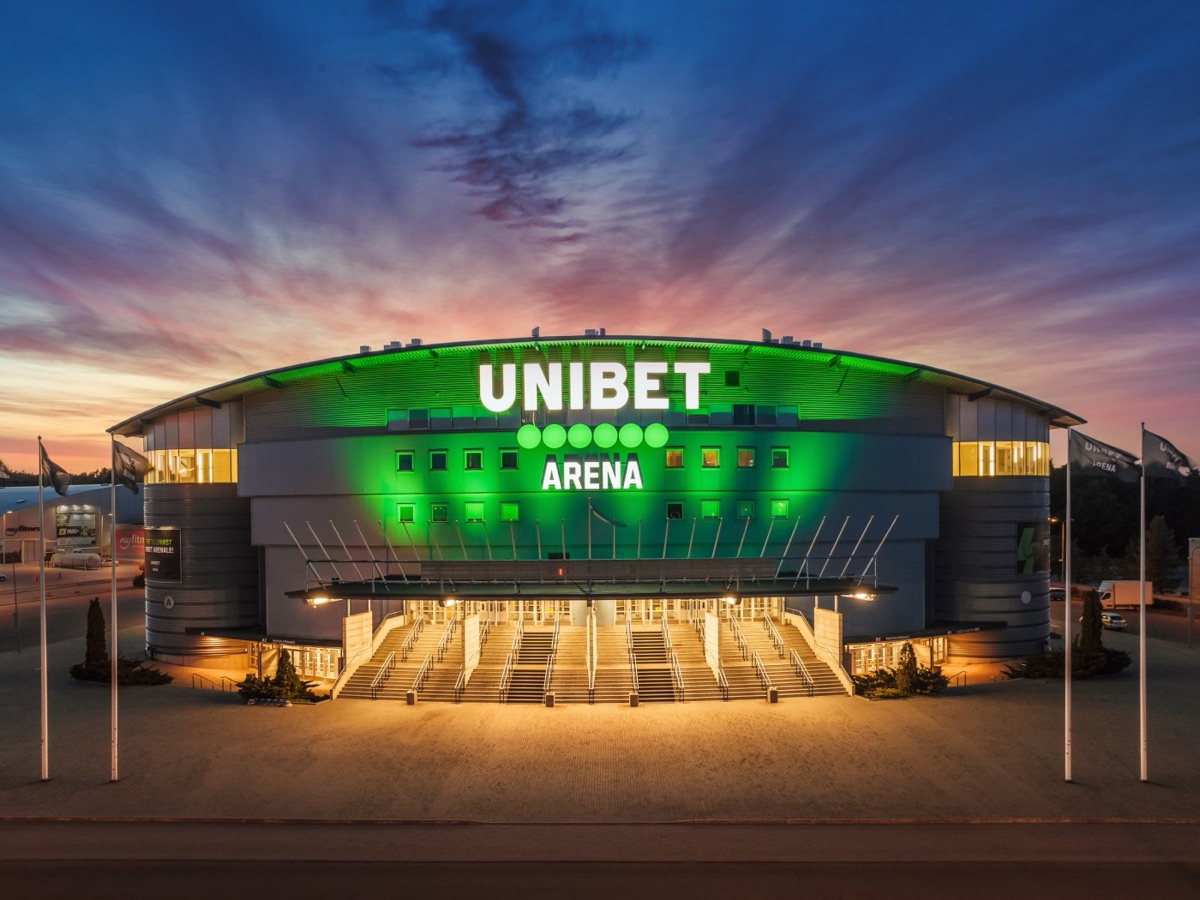
- Alerts. Continuous flow, reverse flow and meters that stop counting are flagged as the readings arrive. At Unibet Arena in Tallinn, potential leaks surfaced within two weeks of the wM-Bus network going live.
- Settlement. The readings feed the cost split. Shared costs are distributed by the rules the board approved, finished invoices go out per unit, and residents see their own consumption in the app. The same readings can leave for the accounting system the association already uses.
What to watch out for
- Agree the distribution rules before the first settlement. How the shared costs, the main-meter difference and vacant units are divided is a board decision, not a software setting. Write it down, and have the system apply it the same way every period.
- Read the units and the main meter at the same time. A balance between readings taken on different days measures the calendar, not the building. Use the main meter’s reading time as the reference for every unit.
- Plan for heat and hot water before 2027. Meters and heat cost allocators for heating and domestic hot water must be remotely readable by 1 January 2027. A system chosen only for cold water can become a dead end when the heat meters have to join.
- Check coverage in the basement, not in the hallway. Meters often sit in shafts, cabinets or basements where the signal is weakest. Place the gateway from where the meters are, and check the signal after installation.