How to calculate ILI, step by step
A worked ILI calculation: build the water balance, find the four UARL inputs and check the result with a practical network example.


Product · 24 August 2026
Two releases, one theme: less work for the people running the platform. Divako 2.19 and 2.20 make city-scale projects noticeably faster, teach the LoRaWAN network to watch and heal itself, sharpen water-loss detection, and open the platform to AI assistants. These are the highlights – the complete list lives in the changelog.
The headline of 2.20 is speed. Device, meter, alarm and payload listings across the platform were rebuilt for large installations, and water-loss zone calculations now run as native spatial queries in the database instead of application code. If you operate tens of thousands of meters, everyday work – searching, filtering, opening a zone – simply feels quicker.
Divako now monitors connectivity quality live – reception rate, signal strength and radio-edge detection per device – and acts on what it sees. Devices stuck in join loops are recovered automatically, and a device that repeatedly fails to come back is escalated as an issue instead of silently going dark. Fewer truck rolls, fewer surprises at billing time.
Minimum night flow analysis now uses the industry-standard 02:00–04:00 window in each project’s own timezone, with per-meter status badges and nightly flow overlays. The methodology your auditors expect, readable at a glance on the map.
Two new consumption analyses do the hunting: compare recent consumption against a previous period with your own thresholds, or compare meters year over year, month by month, straight onto the map. Schedule them and Divako notifies you when results are in – you look at findings, not at raw data.
The Divako MCP server connects your metering data to AI assistants, now including Microsoft Copilot Studio. Ask about consumption, devices or alarms in plain language, inside the tools your organisation already uses – with Divako’s normal access control deciding what each user can see.
The Things Network is now a first-class integration (Community, Cloud and self-hosted), day/night energy tariffs understand Nordic and Baltic weekend models, imports accept password-protected files, and new security monitoring alerts administrators to risky deletion patterns.
Every item above ships to all customers on the same platform – there is nothing to install and no upgrade project. For the complete, unfiltered list of changes, see the changelog.
A worked ILI calculation: build the water balance, find the four UARL inputs and check the result with a practical network example.
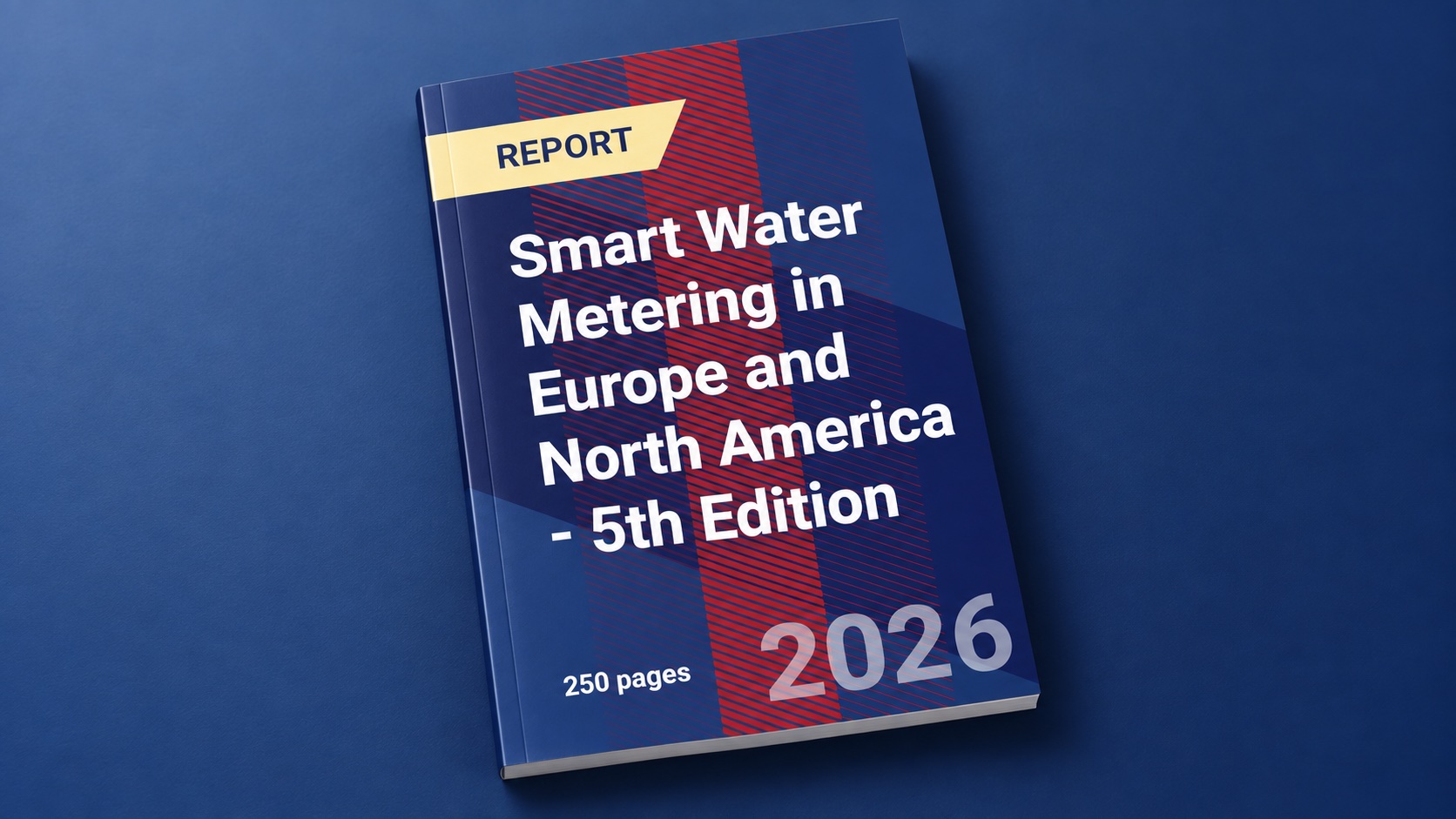
Berg Insight lists Divako among software solution providers in its 2026 report on smart water metering in Europe and North America.
The Drinking Water Directive names ILI as the method for assessing leakage. What the index is, how UARL is calculated, a worked example, and the systems where it does not apply.
See it live
The fastest way to judge a product update is on your own data. Book a short demo and we'll walk through what's new with your kind of project.