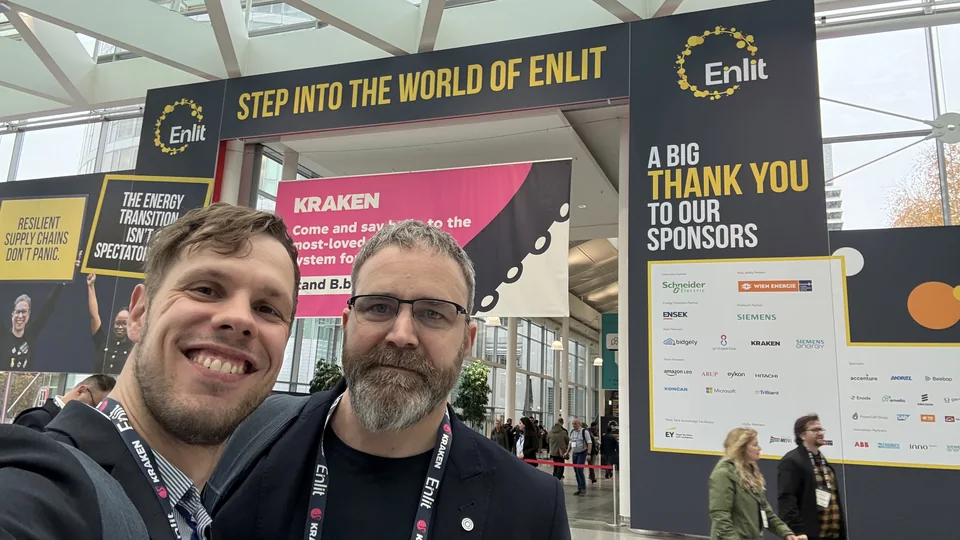
Thank you, Enlit Europe 2026!
Three busy days in Vienna brought new connections, shared knowledge and ideas for smart metering. Met us at Enlit, or missed us? Let’s follow up.

News · 23 November 2026
Planning to use mioty? Divako can add support when your project needs it. Talk to us about your meters, sensors and rollout, and we can plan the integration together.
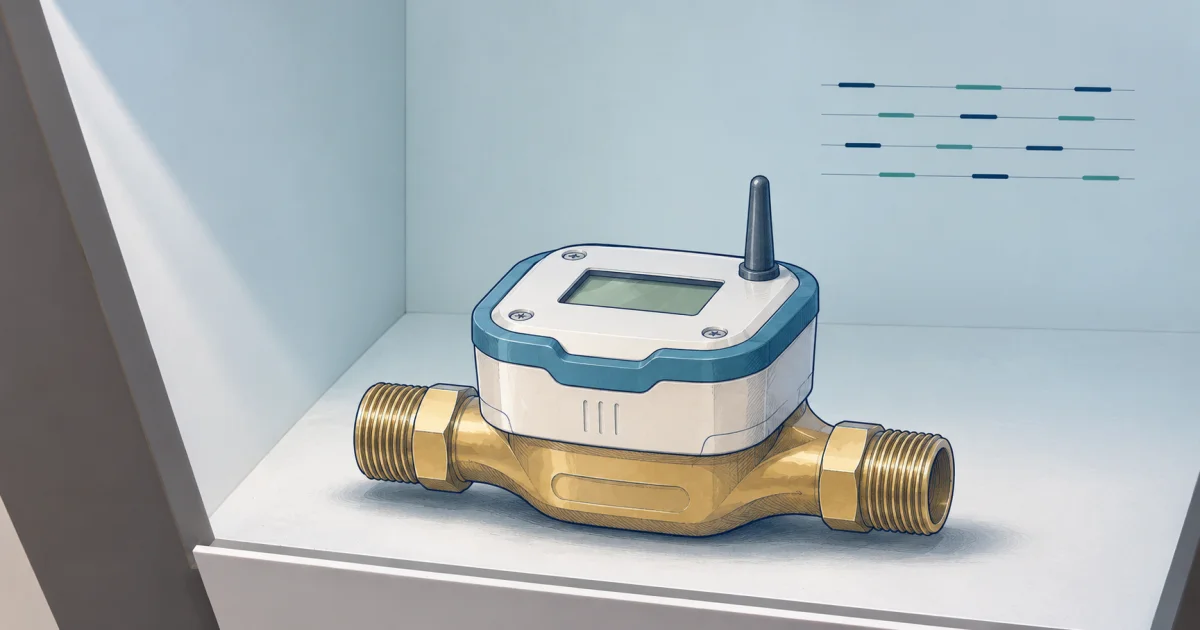
Production mioty support is not available today. Integration and testing would be agreed as part of your project.
mioty is a low-power wide-area network (LPWAN) technology for devices that send small amounts of data over long distances. Water meters and environmental sensors are examples of devices to consider for a mioty project.
It uses telegram splitting: a message is sent as short bursts at different times and frequencies. The receiver combines those bursts to recover the message, with error correction helping it tolerate missing bursts. The mioty Alliance’s technical overview explains the radio technology and network architecture.
For a metering project, the practical questions are familiar: can the selected meter communicate from its installation point, how often must it report, and how will the readings reach the systems that use them?
Divako already supports Diehl meters. Our supported-device catalogue lists the HYDRUS and ALTAIR water meter families with wM-Bus and LoRaWAN connectivity. The exact model and radio variant determine which integration applies.
Diehl’s HYDRUS 2.0 is a useful example when planning a mioty rollout. It is an ultrasonic domestic cold-water meter, offered with several communication options. Diehl’s product documentation lists:
| HYDRUS 2.0 detail | Manufacturer information |
|---|---|
| Meter bodies | Brass DN 15–50; composite DN 15–20 |
| Installation protection | IP68 |
| Radio options | Wireless M-Bus, mioty4OMS, mioty for Metering and OMS over LoRaWAN, depending on the variant |
Existing Diehl support gives us a starting point for the conversation. A HYDRUS meter using mioty still needs the mioty integration to be developed and tested. Send us the order code, radio profile and sample data, and we can assess the route into Divako.
Both technologies are designed for low-power connected devices. LoRaWAN supports private and public network deployments; mioty is another option to assess when selecting meters and network equipment. See the LoRa Alliance’s introduction for the LoRaWAN architecture.
Start with the devices and the site, then compare the complete solution:
| Project question | What to compare |
|---|---|
| Which meters can we use? | The exact radio variant, available readings, reporting settings and payload decoder. A product family name alone does not establish compatibility. |
| Will the network reach our meters? | Measurements at representative installation points, including basements and chambers, with the proposed antenna positions. |
| What will it cost to operate? | Devices, base stations or gateways, installation, backhaul, backend software, hosting and maintenance over the same period. |
| How will the data be used? | Device identities, units, timestamps, alarms and the exports your billing or monitoring systems require. |
Divako already offers LoRaWAN connectivity. For mioty, we would agree and validate the integration for your project before offering production support. Coverage, battery life and network capacity depend on the chosen equipment and reporting profile; a technology name alone does not determine them.
A mioty network includes devices, base stations and a backend with Service Center and Application Center functions. The Application Center can expose readings through MQTT, with decoded values where the required decoder is available. See the mioty Alliance’s application integration guide.
That gives us a route to assess for a Divako integration. If you already have a mioty backend, we can start by reviewing its output and your device payloads. If you are planning a new network, we can discuss the backend choice alongside the platform integration.
The intended result is to bring those readings into the metering, monitoring and export workflows you need in Divako. The supported devices, data fields and operational responsibilities would be agreed and tested during the project.
For base stations, the mioty Alliance’s hardware catalogue includes MIROMICO, WEPTECH, RAK and Swissphone. These are options to discuss when planning the network. We would validate the selected base station and backend together during the pilot.
You do not need a finished network design to start the conversation. Share what you know:
We can then scope a pilot: connect representative devices, check readings and recovery after interruptions, and agree what is needed for production. Talk to Divako about mioty.
Three busy days in Vienna brought new connections, shared knowledge and ideas for smart metering. Met us at Enlit, or missed us? Let’s follow up.

PHP security updates were applied to all affected Divako-managed platform services on 21 October, the day the fixes became available. Here is what we did and where to read the official PHP.net advisory.
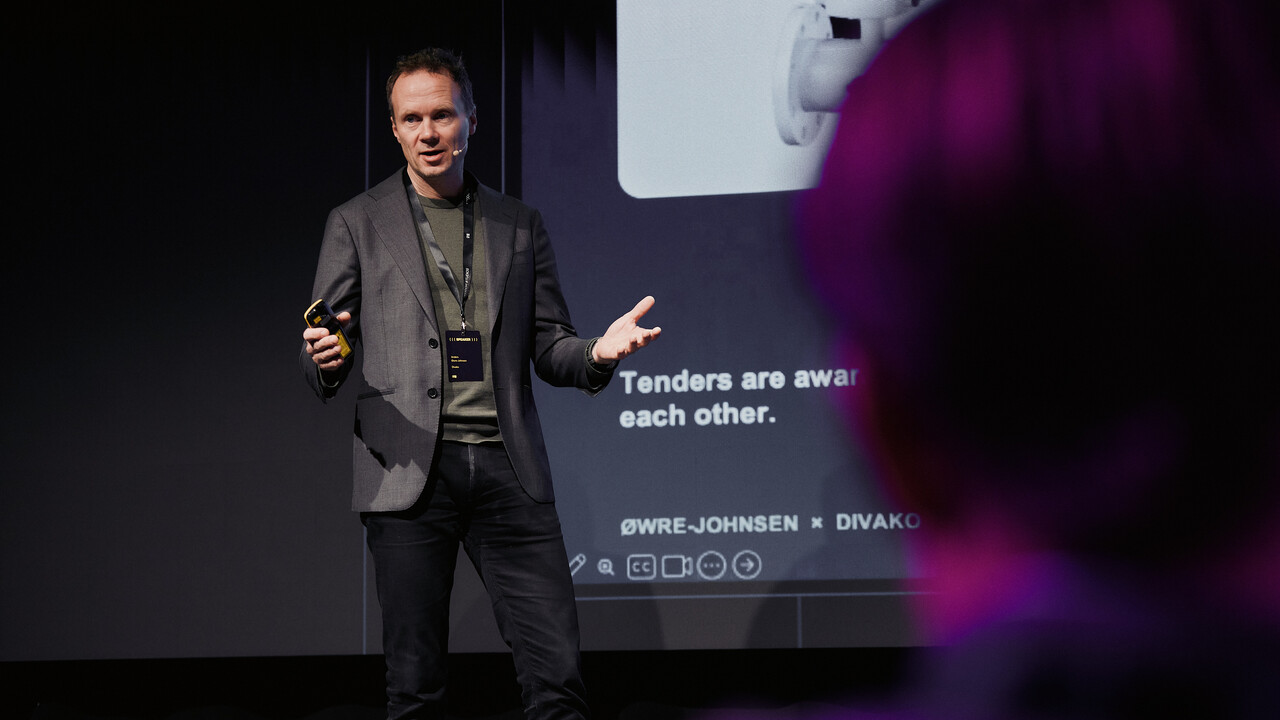
CEO Anders Øwre-Johnsen took to the 7x7 stage to present Divako and the thinking behind our open IoT platform for meter and sensor data.
Your mioty project
Tell us which devices you want to connect, where they will be installed and when you need them. We can agree the scope, testing and next steps for adding mioty support.