20,000+
meters · LoRaWAN + wM-Bus hybrid
Three vendors replaced by one platform. Kamstrup, Axioma and Apator meters on the same console, with native Komtek billing – the widest range of LoRaWAN + wM-Bus technology in a single Nordic project today.

Technology
LoRaWAN is the network you own: licence-free sub-GHz radio, your own gateways, no SIM card and no monthly fee per device. Divako runs the network server, the device library and the data pipeline – so meters, level sensors and streetlight controllers all land in the same place.
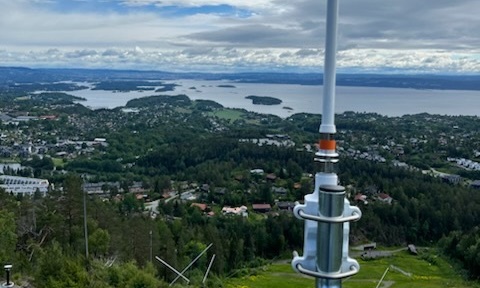
LoRaWAN is a long-range, low-power radio network for battery devices that send small messages. It works in the licence-free sub-GHz band, which in Europe means 868 MHz, so nothing in the chain needs a SIM card or a monthly line rental. You mount the gateways yourself, which also makes the coverage yours to repair. Put one somewhere sensible and it will hear devices two or three kilometres away across a built-up town, and past ten over open ground; the meters underneath it usually reach 10–15 years on their original battery.
For metering and monitoring that combination is hard to beat. A water meter, a well-level sensor and a streetlight controller can share the same network, the same gateways and the same operating budget. Asker municipality has more than 20,000 water and energy meters split between LoRaWAN and wM-Bus; Hamar and Ringsaker share one network for 25,000 ultrasonic meters.
meters · LoRaWAN + wM-Bus hybrid
Three vendors replaced by one platform. Kamstrup, Axioma and Apator meters on the same console, with native Komtek billing – the widest range of LoRaWAN + wM-Bus technology in a single Nordic project today.
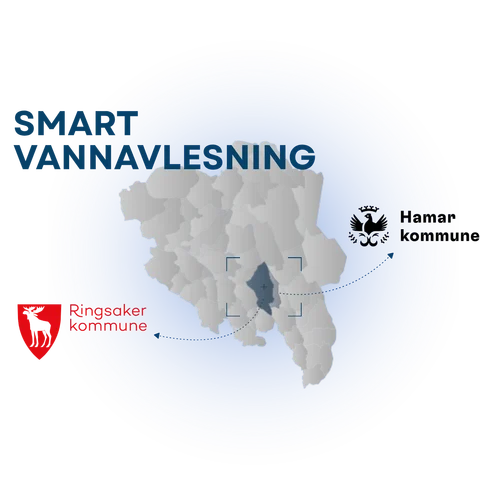
ultrasonic meters · LoRaWAN + wM-Bus
Two municipalities, one shared network and one data pipeline. Apator Ultrimis and NEO meters with LoRaWAN and wM-Bus on board, alarms for leaks, backflow, tamper and frost – and readings flowing straight into Gemini and Komtek billing.
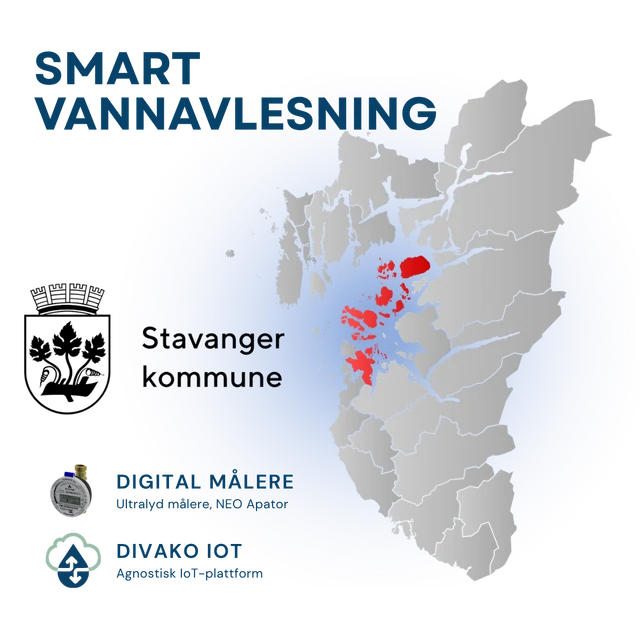
homes in scope · vendor-neutral platform
Phase one replaces ~3,000 mechanical meters and adds 2,300 smart units. Apator Ultrimis NEO with LoRaWAN Relay for coastal basements, Diehl HYDRUS bulk meters via Lobaro gateways – and the data stays the municipality's own.
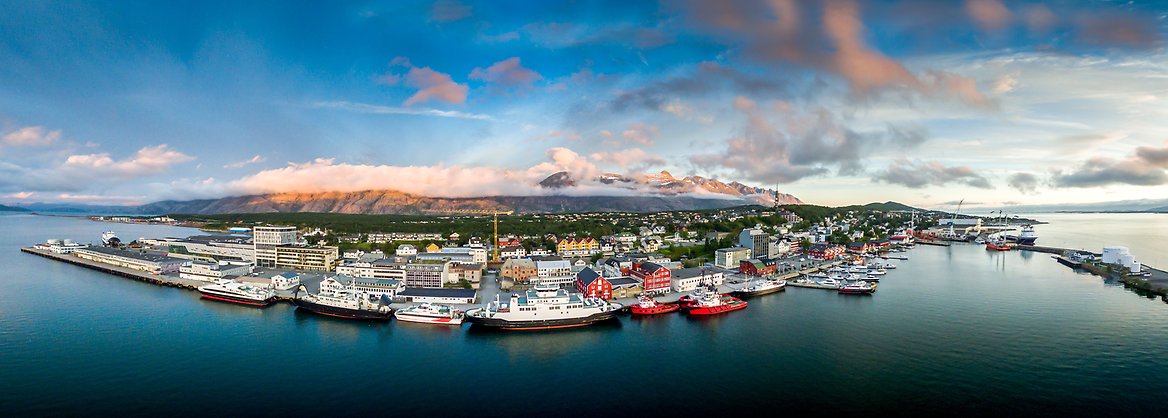
precision piston meters · LoRaWAN
One of Norway's earliest LoRaWAN water-metering rollouts at municipal scale – and still the default for new installs. Honeywell V200 piston meters across rural and urban households, with coverage that expanded year after year.
apartments · water + heat sub-metering
A Trondheim housing co-op with ultrasonic water meters and heat meters per unit, LoRaWAN on a single gateway, and automated per-apartment billing. One invoice for the board; one app for residents to see their use.
Questions
LoRaWAN is a long-range, low-power radio protocol for battery devices that send small messages a few times a day. In Europe it uses the licence-free band at 868 MHz, so nothing in the chain needs a SIM card or a monthly line rental – the gateways are yours, and so is the coverage.
Between roughly two and fifteen kilometres, depending on terrain, antenna height and where the device sits. A meter in a basement or a concrete chamber is a different link budget from a sensor on a pole, which is why coverage is planned from the installation points rather than from a map of the town.
Usually yes, and that is the point: hardware capex instead of a per-meter subscription, and a coverage problem you can fix the same week. Where a public LoRaWAN network already covers the area, Divako can take the data from it instead.
Yes. Most real rollouts mix them – LoRaWAN through the built-up middle, where enough devices share each gateway to pay for it, and NB-IoT for the meters scattered around the edges. Whichever one a given meter uses, it appears in the same Divako account and leaves through the same export.
Your network
Tell us how many devices you have and where they sit. We'll sketch gateway placement, device profiles and a rollout order in about 30 minutes.